The whiteboard is not a safety management system


By Christian Adams, Managing Director
Walk into the office of almost any workboat operator and you will find the same thing: a whiteboard. Vessels down the side, days across the top, names in the boxes. Next to it, a filing cabinet or a shared drive with the procedures, the certificates and the maintenance records. Somewhere there is a WhatsApp group where the skippers report what actually happened today.
None of that is unsafe. Most of these operators run tight, careful operations and have done for years. The problem is not what they do. The problem is what they can show.
The question that catches people out
When a surveyor, an auditor or a charterer's vetting team sits down, they rarely ask "do you have a procedure for this?" Everyone does. The question is "show me the last five times it was followed." Who did the pre-departure check on this vessel on that date? When was that defect raised, who was told, and when was it closed? Which crew have read the current version of the bridge procedures, and when?
If the answer involves scrolling back through a group chat, or asking someone to look in a folder, the system is the people, not the paperwork. It works until the person who knows where everything is goes on leave, or leaves.
Why December changes the stakes
From 13 December 2026, vessels under Workboat Code 3 need a safety management system that is implemented and operational. The word that matters is operational. A proportionate SMS for a small fleet does not need to be long, but it does need to be alive: procedures that are followed, records that are created as a by-product of following them, and a loop that closes when something goes wrong.
That last part is where whiteboards and group chats fall down. They are good at the moment and poor at the record. The evidence that a procedure was followed is scattered across messages, memories and paper, and reassembling it after the fact is slow, unreliable and, under pressure, unconvincing.
What good looks like
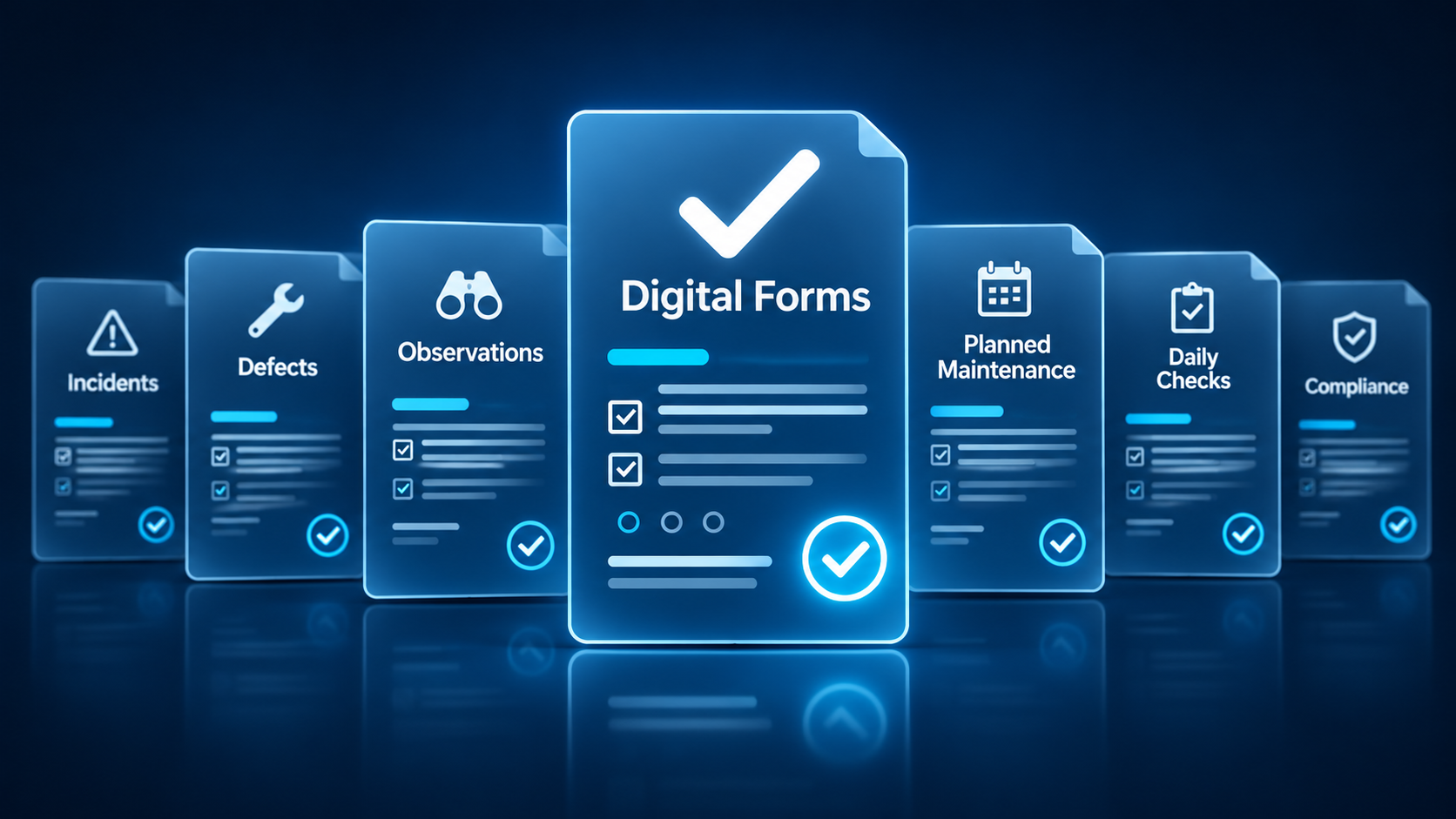
It is not complicated. The crew do the check on the boat, on a device, and the record exists the moment they sign it. A defect raised on deck becomes an action with an owner and a date, and nobody has to remember to chase it. Certificates and qualifications have expiry dates that the system watches so a person does not have to. When the auditor asks for the last five pre-departure checks, the answer is a report, not a search.
The operators who find audits easy are not the ones with the thickest manuals. They are the ones whose evidence is produced by the work itself.
Start with one procedure
If you are looking at December and wondering where to begin, do not try to digitise everything. Pick the procedure you would least like to be asked about, the one where you know the evidence is thin, and get that one running properly: followed on the vessel, recorded automatically, actions closed out. Then do the next one. By December you will have an SMS you can demonstrate, built from the operation you already run.
If you would like to talk it through, book a compliance check. It takes about twenty minutes and you will leave with a clearer picture of where the gaps are, whether or not you use CrewSmart to close them.